Mental health8. June 20260 Comments
Self-care in everyday life: How to charge your mental battery 5 minutes
Do you know the feeling that the day just doesn't have enough hours? Between work, family and endless to-do lists seems the thought of Self-care in everyday life like an inaccessible luxury. But what if self-care does not mean to make an hour of yoga or take a long bath, but to enjoy tiny, conscious breaks? Welcome to the 5-minute islands – your life anchor in the hectic sea of everyday life.
Important findings:
- self-care must not be time-consuming; short, conscious breaks are often more effective.
- Micro rituals of only five minutes can significantly reduce stress levels and promote mental clarity.
- The key is that small Mindfulness exercises and Relaxation techniques to integrate firmly into the daily routine.
- It is not about perfection, but about developing a loving and caring attitude towards oneself.
The lack of time: Why we need to rethink self-care
"I just don't have time for me." This sentence has become a mantra of our company. We work on autopilot, carry out one task after another and ignore the quiet signals of our body and soul. The result is often a deep exhaustion, irritability and the feeling of only reacting, instead of actively shaping your own life. The widespread assumption is that self-care requires a great time investment – a wellness weekend, a free afternoon, an hour of undisturbed rest. But this idea puts us under pressure and leads us not to try.The truth is: The most effective Self-care in everyday life does not take place in the great times, but in the tiny moments in between. It is the conscious decision to clink out of the thought carousel for a few minutes and get back to yourself. These short interruptions are not a lost time. On the contrary, they are an investment in your concentration, patience and psychological resilience. They prevent the stress level from rising chronically and manifesting itself in the form of tensions, sleep disorders or mental exhaustion.
The power of the micropauses: What are 5-minute islands?
Imagine small, quiet islands in your day. Places where you can create, breathe and create new strength before you continue sailing. These are five-minute islands: short, conscious rituals that do not take more time than reading an email or scrolling through the social media feed. Psychologically speaking, these micropauses act like a reset button for our nervous system. They help to switch from the sympathetic nervous system (our "fighting or flooding" mode) to the parasympathic state (the "rest and digestion" mode).This change has immediate positive effects: The heartbeat slows down, breathing becomes deeper, the muscles relax, and the mind becomes clearer. Instead of waiting for a big holiday to recharge the batteries, you will always provide yourself with small energy bills distributed over the day. This approach is a form of practical Mindfulness trainingthat seamlessly integrates into any still so full schedule. It is about putting quality before quantity and recognizing that five minutes full of presence can be more healing than an hour of distracted "detension".
Your personal toolbox for self-care in everyday life
The most beautiful aspect of the 5-minute islands is their diversity. There is no right or wrong. Find out what's good for you at this moment. Here are some suggestions you can try out immediately:
Small mindfulness exercises for the clear head
- The 4-7-8 breath: Breathe through the nose for 4 seconds, hold the breath for 7 seconds and breathe out audible through the mouth for 8 seconds. Repeat this 3-4 times. This technique is one of the most effective Relaxation techniques and calms the nervous system immediately.
- The 5-sinne check-in: Keep in and name quietly for yourself: 5 things you can see. 4 things you can feel (e.g. your feet on the floor, the clothes on the skin). 3 things you can hear. Two things you can smell. One thing you can taste. This exercise instantly brings you back from the head cinema to the present.
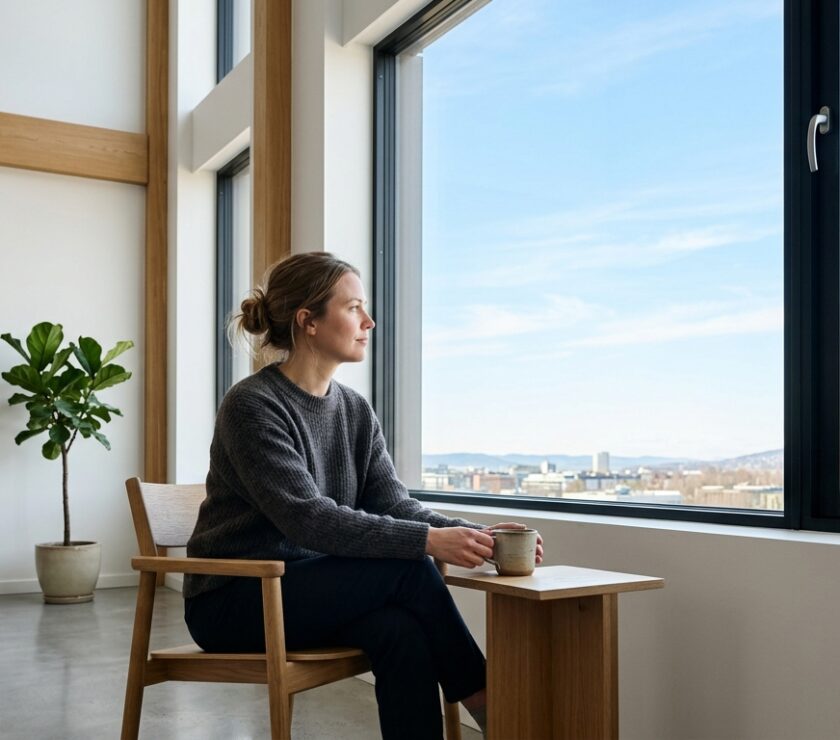
- Windows meditation: Just look out the window for three minutes without evaluating anything. Watch the clouds, the leaves in the wind, the people on the street. Allow your eyes and mind to rest. This is a simple form of Meditation for beginners.
Simple relaxation techniques for the body
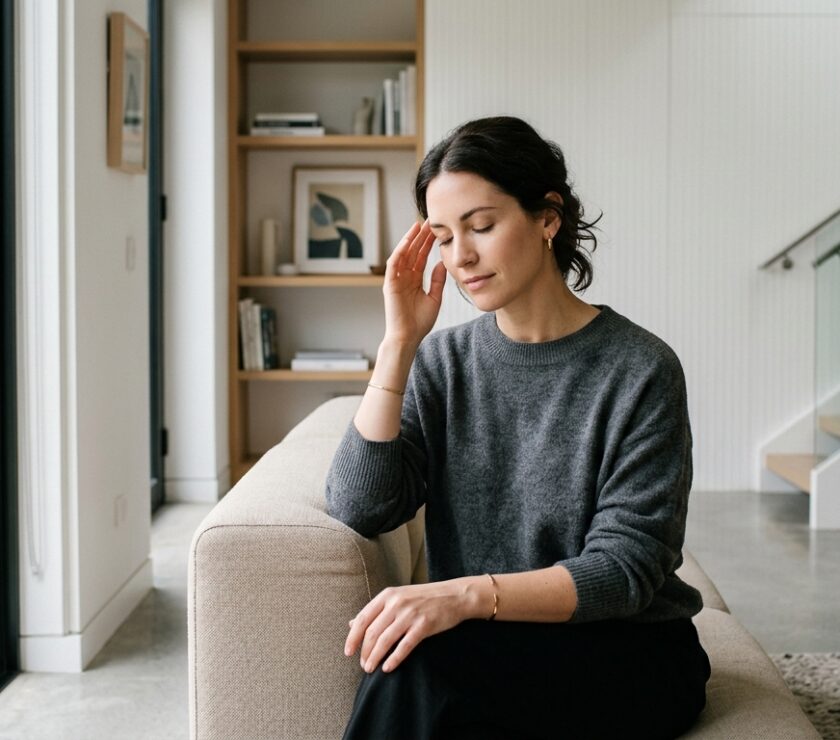
- Neck and shoulder reset: Sit down. Let the head gently fall forward, then to the right shoulder, then to the rear and to the left shoulder. Circle the shoulders several times back and down. Clearly release the tension that often collects there.
- Shake off: Stand up and shake hands, arms and legs for a minute. Imagine how you simply shake stress and tension. It may seem silly, but it is incredibly liberating.
- Barefoot on the ground: If possible, pull out shoes and socks and feel the floor under your feet for a few moments. Take the temperature and texture of the substrate. This erodes you and connects you back to your body.
From knowledge to action: How to make self-care a habit
The biggest challenge is not to forget these small islands in everyday stress. The key is to couple it to existing habits. Imagine taking a breathing exercise after each meeting ended. Or connect waiting for coffee in the morning with a conscious 5-sinne check-in. A simple alarm clock on the phone that reminds you twice a day of your 5-minute island can also work wonders.Maybe document your experiences in a small notebook. What did you do? When did you think it was hard? This reflection is an important part of Mindfulness training and helps you better understand your needs. Be careful with yourself. There will be days when it doesn't work. It's not a failure, it's human. Every single moment you consciously take for yourself is a success. If you are looking for further suggestions, you will also find more impulses in my blogthat can help you strengthen your mental health.
When the inner critic protests: dealing with guilt
Especially when we begin to pay more attention to ourselves, the inner critic often reports: "You have no time for this!", "This is selfish!", "Others create this even without such a snap." These thoughts are deeply rooted beliefs from our performance-oriented culture. It is important to recognize them as what they are: old patterns that no longer serve you.Please respond to this thought with kindness, but also with clarity. Answer your inner critic: "Just because my day is so full, I need this pause to remain efficient" or "I'm going to take these five minutes, making me a more patient mother / a more balanced colleague." Self-care is not egoism, but the basic prerequisite for being sustainable for others. If you notice that these inner blockades are very strong and prevent you from worrying well for yourself, professional support on your way be a valuable help to understand and resolve these patterns. It is a sign of strength to seek help.
Conclusion: A small step with great effect
Self-care in everyday life is not another task on your to-do list. It is an attitude – the conscious decision to meet with respect and care. The 5-minute islands are a simple but powerful way to cultivate this attitude. You invite you to get out of the autopilot and take over the direction of your well-being. Start today. Select an exercise and take the next five minutes only for yourself. It could be the beginning of a wonderful journey to more inner peace and strength. And if you want support, don't hesitate, to make a first step and to arrange a conversation. Sometimes an open ear is the most beautiful anchorage. My Approach in the support is to offer you a safe space for these topics.
Frequently Asked Questions (FAQ)
What if I don't have five minutes for me?
If five minutes feel too much, start with a minute. Close your eyes for 60 seconds and focus only on your breathing. It is not about the duration, but the conscious interruption of everyday stress.
Don't you feel such short breaks silly or pointless?
At the beginning it can feel uninhabited. That's normal. But give the concept a chance. The neurobiological effect is real. A short, conscious break can lower the stress hormone levels and help you think more clearly.
What exercise is the best for the beginning?
The 4-7-8 breathing exercise is an excellent starting point, as it triggers an immediate physical reaction and is very easy to carry out. Try out different exercises and find out what works best for you personally.
Can these micropauses replace therapy or longer periods?
No. 5-minute islands are a tool for stress regulation in everyday life. They are not a substitute for the work-up of deeper topics in psychotherapy or for necessary longer periods of relaxation such as holidays. They are a valuable supplement, not a substitute.
How can I think about self-care in stress?
Use external memories. A post-it on the screen, a recurring alarm in the cell phone or coupling to a daily routine (e.g. before lunch) help to establish the new habit until it becomes self-evident.
Your Katja Bulfon