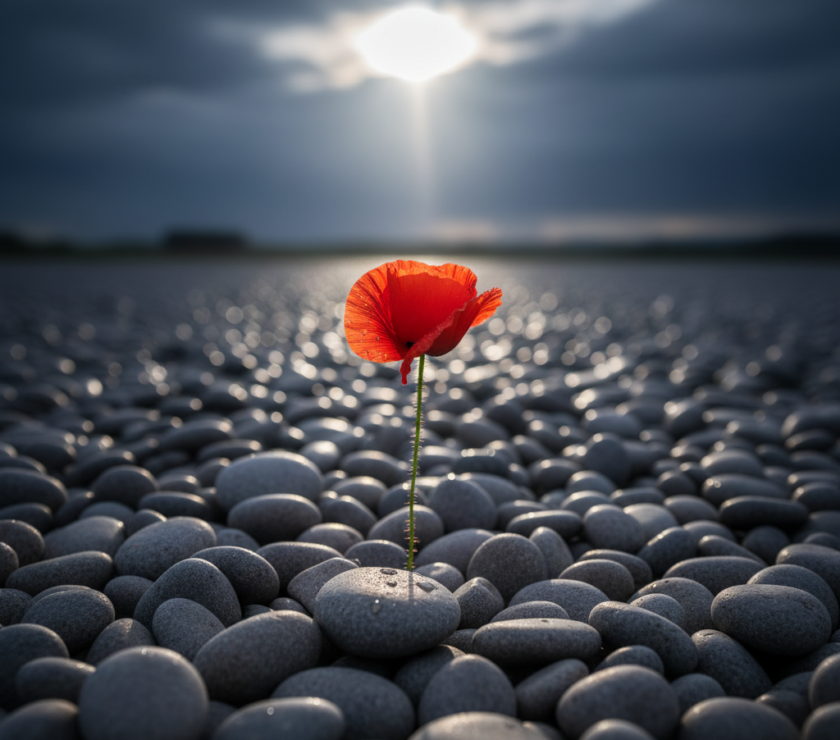
The feeling of being stuck: How to break out of the inner stagnation
Do you know that? Every day feels like a repetition of the previous one. The motivation is on a low point, the future looks neblig and unclear, and an invisible force seems to prevent you from coming forward. This paralysing feeling of being stuck is more than just a bad day – it's a state of inner stagnation that can be profound and destructive.
Important findings:
- Inner stagnation is not a weak character, but often a symptom of deeper, unresolved issues such as fear, exhaustion or unfulfilled needs.
- The causes are diverse and range from fear of change to unconscious beliefs to lack of self-esteem.
- The first step towards change is not the fight against feeling, but its conscious and judgment-free acceptance.
- Micro habits and the rediscovering of curiosity can break through paralysis and release new energy.
- Professional psychotherapeutic accompaniment offers a safe space to understand the roots of stagnation and to develop sustainable solutions.
What does it really mean "to be stuck"?
Inner stagnation is a state in which life stagnates, although externally everything seems to be okay. It is the feeling of running in a hamster wheel without having a goal in sight. You work, do the daily tasks, but lack internal vitality, joy and sense. It feels like you're navigating on autopilot through life, while the true I'm standing on the sideline and watching. This experience is often characterized by a number of painful companions: apathy, indecision, chronic fatigue and a nasty feeling of dissatisfaction.
It is crucial to understand that this feeling is not a sign of laziness or failure. Rather, it is an important signal of your psyche. It is a stop sign that indicates that something in your life is no longer in balance. Perhaps the beaten path no longer fits your true values, or old wounds and fears unconsciously block your energy.
The silent causes of inner stagnation
To solve the blockade, we must first understand where it comes from. The reasons for inner stagnation are as individual as people themselves, but often they can be traced back to some core areas.
The fear of the unknown
Sometimes the familiar tweet, even if it makes unhappy, is more comfortable than the uncertainty that brings a change. The idea of quitting the job, ending a relationship or taking a new path of life can trigger paralyzing fear. What if I fail? What if I make the wrong decision? This fear of the unknown can be so strong that it keeps us trapped in the status quo – a state that we do not like, but at least know and control.
Exhaustion as an invisible brake
Chronic stress, emotional pressure or a beginning burnout deprive us of the energy necessary for changes. When all resources are used to cope with everyday life, there is no strength for reflection, planning or courageous steps. The stagnation is not the cause here, but the result of a deep exhaustion. The body and the soul pull the emergency brake because the reserves are used up. You're not stuck because you don't want to, but because you can't.
The unconscious influence of the past
Often, there are deeply rooted beliefs or unresolved conflicts from our past that captivate us. Phrases such as 'I'm not good enough', 'I don't deserve happiness' or 'change is dangerous' can determine our actions as invisible rules. These beliefs, often learned in childhood, sabotage our attempts to move forward without consciously remembering it. The feeling of being stuck can be a hint that old patterns and emotional injuries still affect our present.
The first step is the hardest: How to break the paralysis
The path from the stagnation does not begin with a huge jump, but with small, conscious steps. It's about moving back into a solidified system – gentle and with a lot of patience.
Acceptance instead of fighting: recognize the feeling
The first and perhaps most important step is to stop fighting against the feeling. Don't argue that you feel trapped. Instead, say: "Okay, I just feel blocked. That's okay. It is part of my current experience." This acceptance takes the feeling of its power and creates space for curiosity. Instead of asking yourself, "What is wrong with me?", you can start asking, "What is this feeling trying to tell me?"
Small changes, great effect: the power of micro habits
Forget the pressure to have your whole life at once. Focus on tiny, almost ridiculously small changes. Go for five minutes. Read a page in a book. Clear a drawer. These little successes are building momentum. You send the signal to your brain: "I can do something. I'm capable of acting." With time, larger movements are produced from these microsteps.
Curiosity as a compass: discover your interests
Stagnation is often accompanied by a loss of interest and joy. Try to awaken your curiosity without pressure and expectations. What is the topic that fascinated you as a child? Is there a course you've always wanted to prove? Visit a new place in your city. It is not about finding a new passion at once, but about opening the mind for new impulses and seeing the world with fresh eyes. Often there are unexpected answers and new directions on these small journeys of discovery.
Professional accompaniment as a guide
Sometimes the blockades are so deep or exhaustion so great that it is difficult to find the way alone. This is not a sign of weakness, but of humanity. Psychotherapy can be a decisive anchor and compass. In a protected and value-estimating framework, you can explore the deeper causes of your stagnation. Together we can identify the silent fears and unconscious beliefs you hold back. If you want to learn more about my approach, I invite you to learn more about my services to inform.
The therapeutic relationship offers a secure port where you can develop new perspectives and learn concrete strategies tailored to you to get back into motion. It is about reconnecting with your inner strength and clarity. If you feel that you need support on this path, do not hesitate and arrange a first, non-binding appointment. A conversation can be the first step to clear the fog and feel the floor under the feet again. To get a sense of how I work, you can more about my personalized attitude Reading.
Conclusion
The feeling of being stuck is a profound human experience. It is a call to your soul for attention and change. Instead of looking at it as a final station, you see it as an invitation to stop, listen and redirect the course. With self-esteem, small, conscious steps and, if necessary, professional support, you can solve the invisible fetters and get back into flow. The path from the stagnation is not a sprint, but a journey back to itself – a journey worth it.
Frequently Asked Questions (FAQ)
Is the feeling of being stuck, a sign of depression?
Internal stagnation can be a symptom of depression, but it does not have to. While other signs such as persistent defeat, loss of interest and loss of drive are often added to depression, the feeling of being stuck can also occur in isolation, for example in transitions to life or in unresolved conflicts. Professional clarification can create clarity here.
How long is it 'normal' to feel trapped?
There is no fixed period of time. Phases of stagnation are a normal part of life. However, if the feeling persists for many weeks or months, your everyday life is severely affected and you can no longer find out from your own power, it may be useful to look for support.
What can I do when I feel completely paralyzed?
Try to take the pressure off yourself. A simple but effective method is the "5-4-3-2-1-technology" for earthing: Name 5 things you see, 4 things you feel (e.g. clothes on the skin), 3 things you hear, 2 things you smell, and 1 thing you taste. This directs the focus from groaning to the perception of the senses and brings you to the here and now.
Can I get out of this feeling alone?
Yes, many people find themselves through self-reflection, adapting habits or talking to friends again from a phase of stagnation. However, if the blockades are deeper or are associated with strong suffering pressure, professional help is a valuable and often necessary step to bring about sustainable changes.
How does psychotherapy specifically help with internal stagnation?
In psychotherapy we create a safe space to explore the causes for your blockade without judgment. We identify unconscious patterns, fears and beliefs you hold back. Together, we develop new perspectives and concrete, implementable steps that will help you to regain your ability to act and make a way that feels harmonious and alive for you. If you are curious about other topics, you might find more impulses in my blog.
Very warmly,
Her Katja Bulfon