Strengthening psychic health: How the healing connection to nature will lead us in the digital age
In a world that turns faster and faster, in which screens captivate our view and the noise of the city becomes a constant noise, we often lose the connection to our oldest and most reliable power source: nature. Do you often feel exhausted, overexcited or internally restless? Then you're not alone. This article will show you how to Strengthening mental health by revitalizing the quiet but immensely powerful effect of nature into your life.
Important findings:
- Stress reduction due to natural contact: Already short stays in the greens prove to lower the stress hormone Cortisol and thus help prevent a burnout.
- Mood lighting: Daylight and natural environments can alleviate the symptoms of depression and increase general well-being.
- Reduction of grains: Nature experiences direct the focus away from negative thought spirals, which is particularly helpful in the treatment of anxiety disorders.
- Easy to integrate: You don't have to go for hours. Even small "natural doses" in everyday life have a great effect.
- Internal connection: Nature reflects us cycles of becoming and passing and teaches us acceptance and confidence in the flow of life.
The silent epidemic: Our alienation from nature
We spend an average of 90% of our time in closed rooms. Our days are determined by artificial light, digital notifications and constant pressure to function. This way of life is historically completely new to man. Over millennia, we were inseparably connected with the rhythms of nature. The sunrise woke us, the seasons determined our work and the sounds of the forest or the noise of the sea were the soundscape of our life.
This alienation has a price. More and more people suffer from the consequences of chronic stress, which is in hand-resistant Burnout symptoms how emotional exhaustion, cynicism and a sense of ineffectiveness expresses. We feel separated from our environment, from others and ultimately from ourselves. The longing for rest and earthing becomes louder, but we often look for the solution in the wrong places: in the next series, the next online purchase or the next optimization app. The most effective resource is right in front of our front door.
Why nature is a balm for our soul
Science confirms what we always knew intuitively: Staying in nature has profound positive effects on our brain and nervous system. Researchers are talking about "biophilia" – the congenital tendencies of the human being to seek a connection with nature.
Stress hormone in sinking: Prevent burnout with forest and meadow
If we feel stressed, our body will pour out Cortisol. A constantly increased cortisol level leads to internal restlessness, sleep disorders and can end up in a burnout in the long term. Studies from Japan, where the "Waldbaden" (Shinrin-yoku) is a recognised health practice, show impressively: a 20-minute walk in the forest reduces the cortisol level significantly. The essential oils of the trees, the silence and the gentle visual stimuli reassure our sympathetic nervous system, which is responsible for the campaign or flight. Who is active in Prevent burnout wants to find a powerful ally in the forest.
Light for the soul: How to alleviate depressive moods
Many people, the first Depression signs in themselves, report on drivelessness, depressed mood and loss of joy. Daylight is a key factor in the production of serotonin, our "Glückshormon". The outdoor stay, even on a cloudy day, provides us with a multiple dose of light compared to indoors. Combining with gentle movement like a walk, this can noticeably brighten up the mood. Nature doesn't judge. She doesn't expect us. We can be easy. This unconditional acceptance can be a healing counterpart to the inner critic who is often very dominant in depressive diseases.
Stop the thought carousel: Let fears go in nature
If you are Treat anxiety disorder let or suffer from recurring worries, you know the feeling of constant humour. Our brain is programmed to solve problems, but it often catches up in endless, negative thought loops. Nature breaks through this cycle. It gently draws our attention to the outside: the noise of the leaves, the feeling of moss under the fingers, the sight of a bird. This effect, called "soft fascination", does not require a conscious effort and gives our overloaded prefrontal cortex – the part of the brain that is responsible for grumping – an urgently needed pause. The vastness of a landscape can also relativize one's own problems and convey a sense of unity into something bigger.
Practical ways to integrate nature into your everyday life
The good news is: You don't have to pack your suitcases and move into a cottage in the forest to your Strengthening mental health to be able to. It is the small, regular moments of connection that make the difference. Here are some everyday ideas:
1. The Micro-Dosis Nature: The 5-minute reset
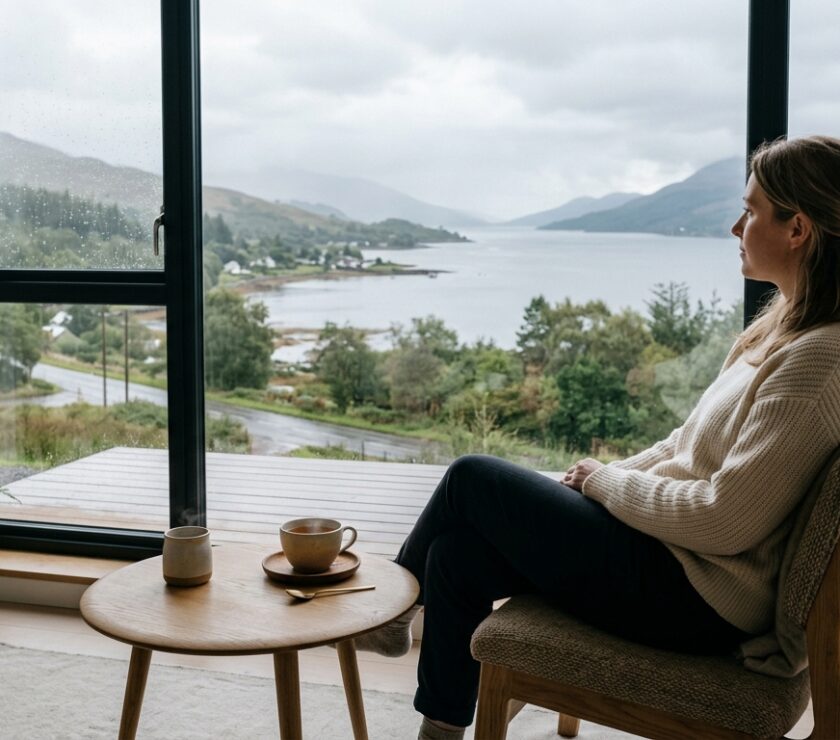
Use short breaks consciously for a natural moment. Instead of reaching the smartphone, go to the open window and breathe deeply. Watch the clouds, listen to the birds or look at the tree in front of your house. These short interruptions help to regulate the nervous system and get rid of the head.
Two. Get the outside inside
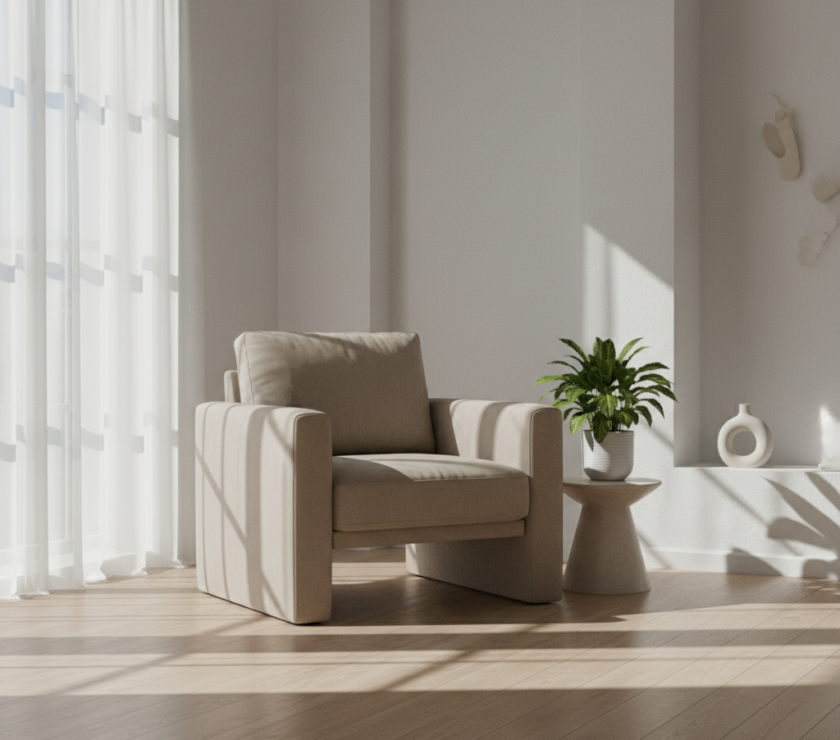
If the way out is difficult, bring nature to you. Room plants not only improve the quality of the air, but their sight alone has a calming and stress-reducing effect. Open the curtains and let in as much daylight as possible. Images of landscapes or natural sounds as background noise can also have a positive effect.
3. 'green' routines
Integrate nature into existing habits. Drink your morning coffee on the balcony instead of the kitchen table. Conduct an important phone call during a walk in the park. Select consciously a way to work that leads through a green area. Thus, natural contact becomes a natural part of your life without additional time.
4. Being active with all senses
Gardening, be it in your own garden, on the balcony or in a community garden, is an incredibly earthy activity. Having the hands in the earth, watching the growth and taking responsibility for beings can be very fulfilling. Also simple walks where you consciously use your senses – what do I smell, what do I hear, what do I feel? – deepen the connection and get you out of the head into the body.
On my Blog find further suggestions and thoughts that you can accompany on your way.
If nature alone is not enough
Nature is a powerful resource, but it is not an all-healing agent. If you suffer from severe mental stress, persistent Depression signs to find out or feel stuck in a crisis, it is a sign of strength to seek professional support. As a psychotherapist I see my task in providing you with a safe space where you can look at your topics in depth. Nature can wonderfully support this process, but it does not replace therapy.
In my work, I accompany people to rediscover their own inner resources and find new ways of dealing with loads. My offer includes various Benefits, which aims to help you improve clarity and stability. Sometimes a professional conversation is the first step to feel solid ground under your feet – a ground from which you can reuse the healing power of nature.
Conclusion: A simple step towards more inner calm
In order to strengthen your mental health, you do not have to rewrite your entire life. Start with a small, conscious step outside. Do not recognize nature as another task on your to-do list, but as a gift, an invitation to rest and reconnection with yourself. In a loud, demanding world, this connection is a quiet but infinitely strong anchor. She gives us strength and reminds us that we are also part of a larger, living whole.
If you feel you need support on your way, don't hesitate Arrange an appointment. A conversation can often be the first step in a clearer direction.
Frequently Asked Questions (FAQ)
1. How much time do I have to spend in nature to feel a positive effect?
Studies show that 20 minutes a day can make a significant difference, especially in reducing stress. However, the regularity is more important than the duration. More than 10 minutes in the park than a long hike once a month.
Two. I live in a big city. How can I still benefit from nature?
Search for the green oasis in your area: city parks, cemeteries, green courtyards or river banks. Even a single tree on the road can be an anchor point. Focus on what's there instead of focusing on what's missing.
3. Can nature alone heal depression or anxiety disorder?
No. Nature is a very effective support and can alleviate symptoms, but it does not replace professional psychotherapeutic treatment, especially in moderate to severe diseases. See it as an important part of a holistic approach to your mental health.
4. I often feel guilty when I take a break. How do I deal with it?
This feeling is widespread. Try not to see the time in nature as a "pause of work", but as a "work on your health". You invest in your resilience, concentration and well-being, which ultimately has a positive impact on all areas of life. It is not a lost time, but a necessary investment.
Five. Do houseplants really have a detectable effect?
Yes. Studies have shown that interaction with room plants – to consider or maintain them – can reduce blood pressure and promote feelings of calm and well-being. They are a simple and accessible way to use the biophilia effects in their own four walls.
Very warmly,
Her Katja Bulfon